Ladin language, legends and traditions
The Ladins
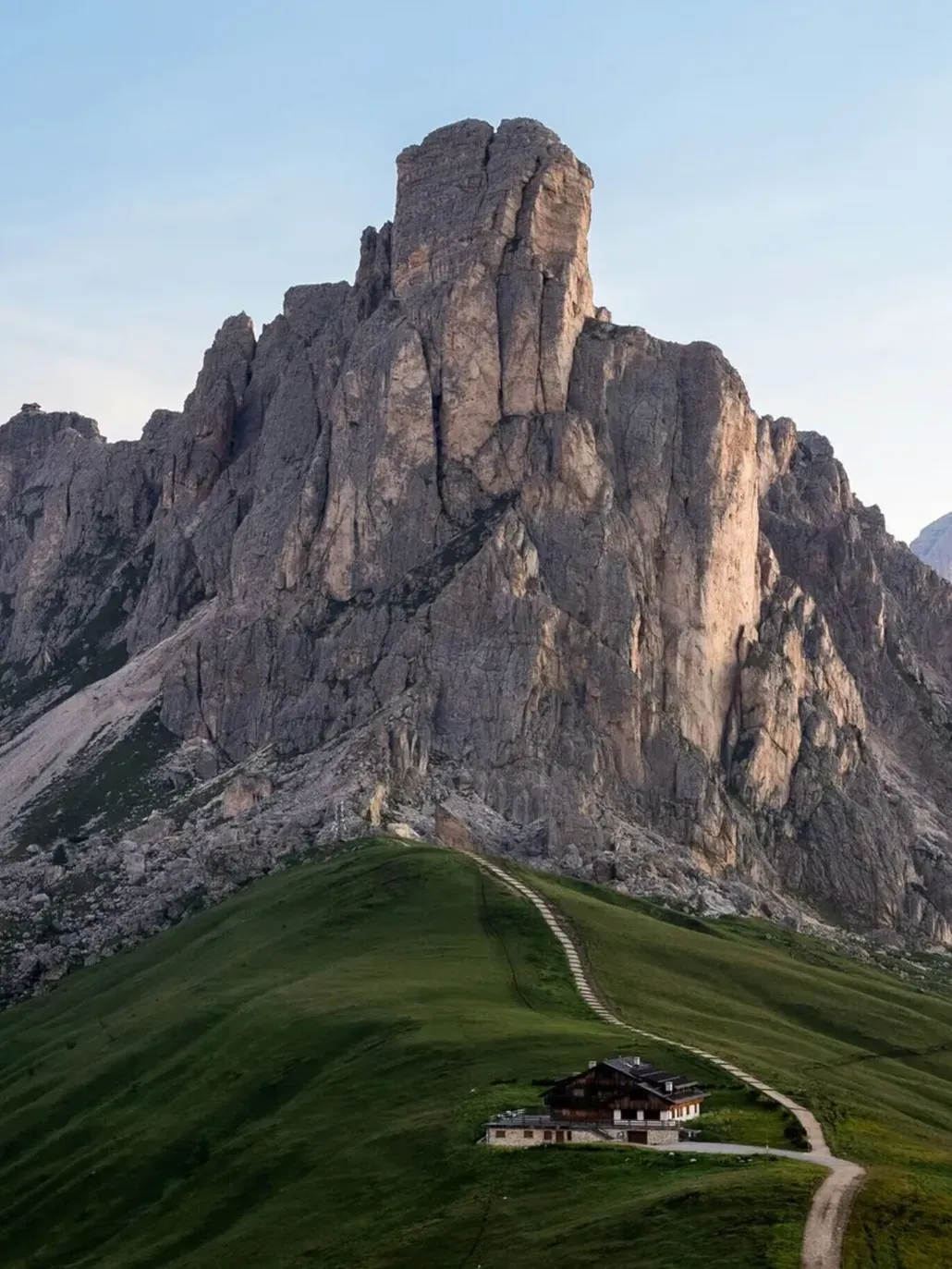
Discover the ancient soul of the Dolomites, where the Ladin language, legends, and traditions keep alive a unique blend of Alpine and Latin heritage.
Legends and traditions
The Ladins, people of the Dolomites
The Ladins are the people who speak the Ladin language, the oldest tongue in the region. It derives from the ancient Rhaeto-Romance, a language born by the meeting between the conquering Romans' Latin and the ancient tongues spoken by the native Rhaetic and Celtic tribes.
It was once widely spoken across the Alps to the Adriatic Sea, but, encircled by the powerful rising German and Italian languages on the North and South, it retreated to a few impervious mountain regions: in Switzerland, where it is called Romansh, in the Dolomites, where it is known as Ladin and in Friuli, as Friulian.
The Dolomites variant is spoken by 30,000 people spread around the Sella massif.
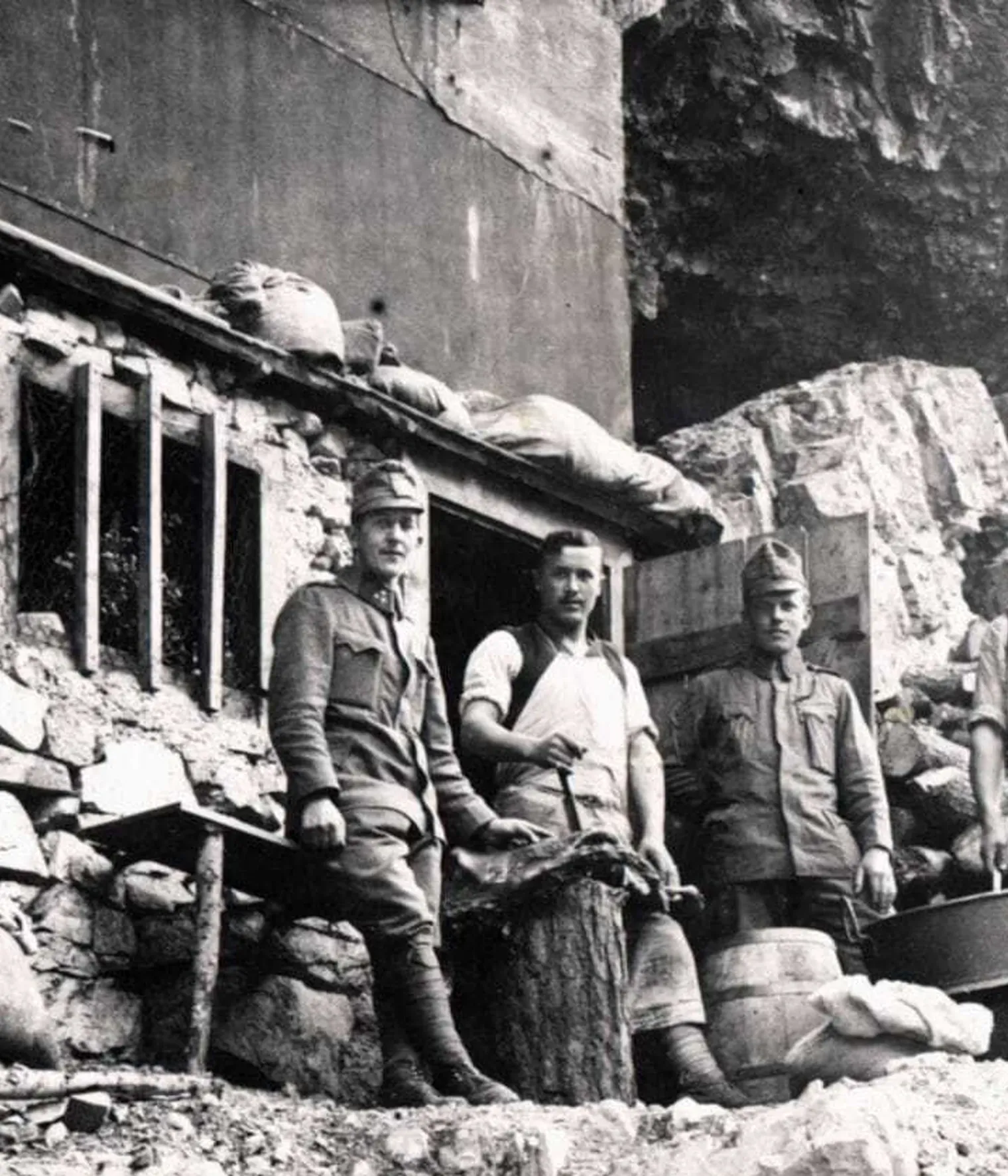
Discover our language
The voice of the Dolomites
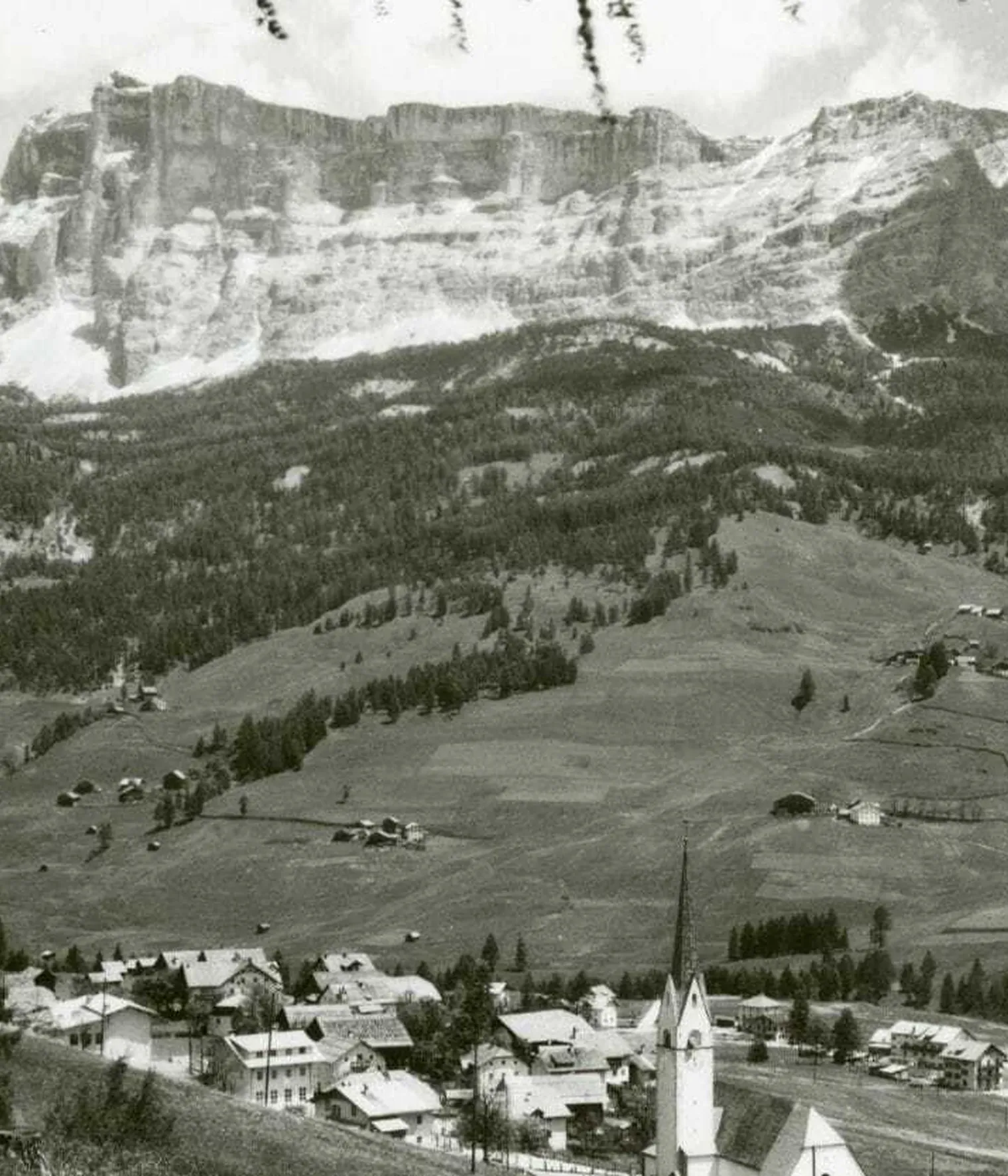
In the Dolomites Ladin is spoken in five different valleys, each with its own idiom: badiot in Val Badia, gherdëina in Val Gardena, Fascia (fascian) in Val di Fassa, fodom in Fodom and Anpezo (ampezan) in Cortina d'Ampezzo.
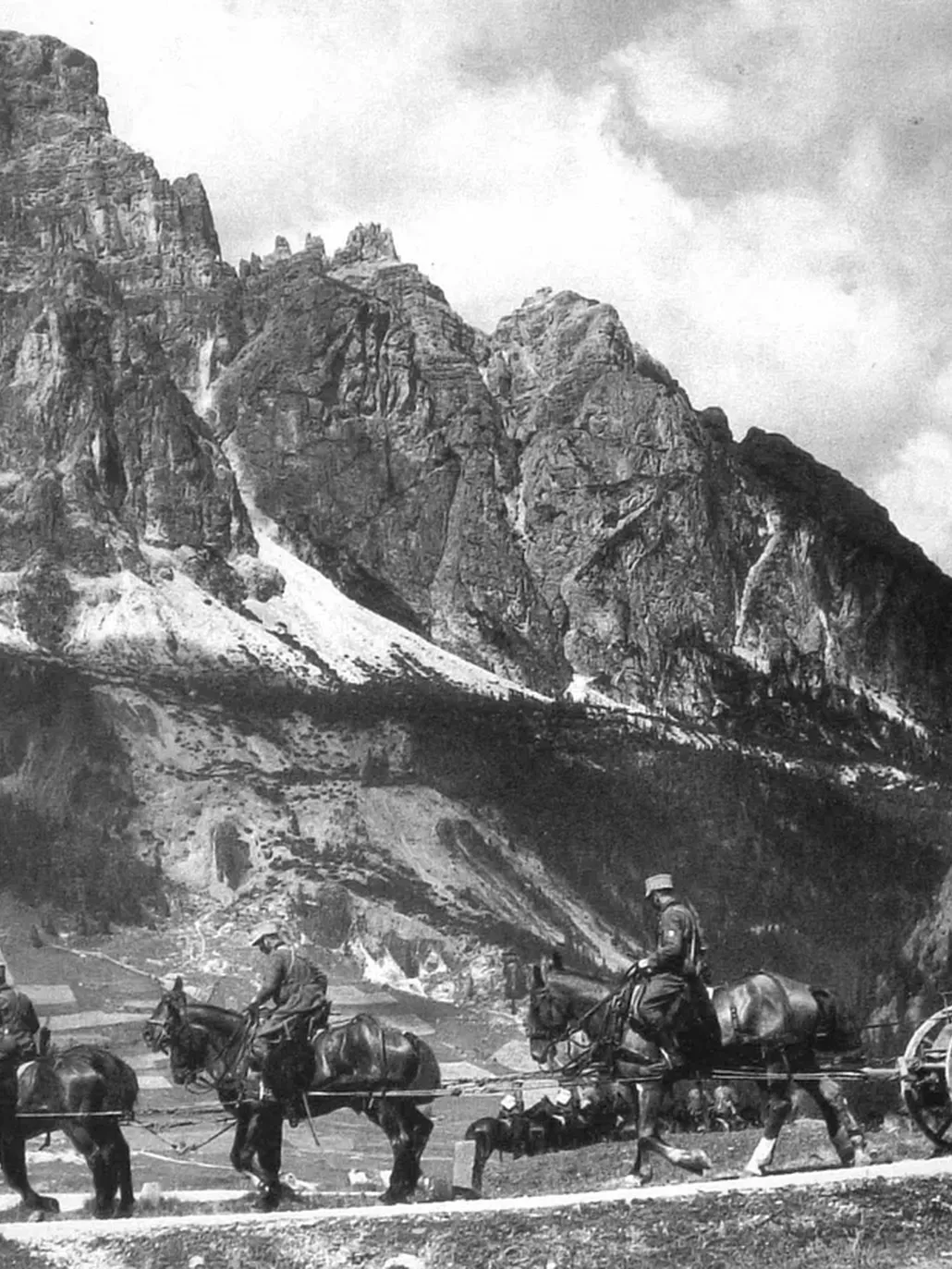
Up until 1918, all Ladins lived within the same borders, those of Austrian Tyrol, but nowadays they are scattered between several administrative regions. Only Val Badia and Val Gardena are in South Tyrol, where Ladin is recognized as the third official language of the Autonomous Province, together with German and Italian. As such, Ladin could thrive in these valleys, where it is widely spoken and used in daily communication, work, politics, toponymy, education and media.
Myths and cuisine
The Ladin heritage
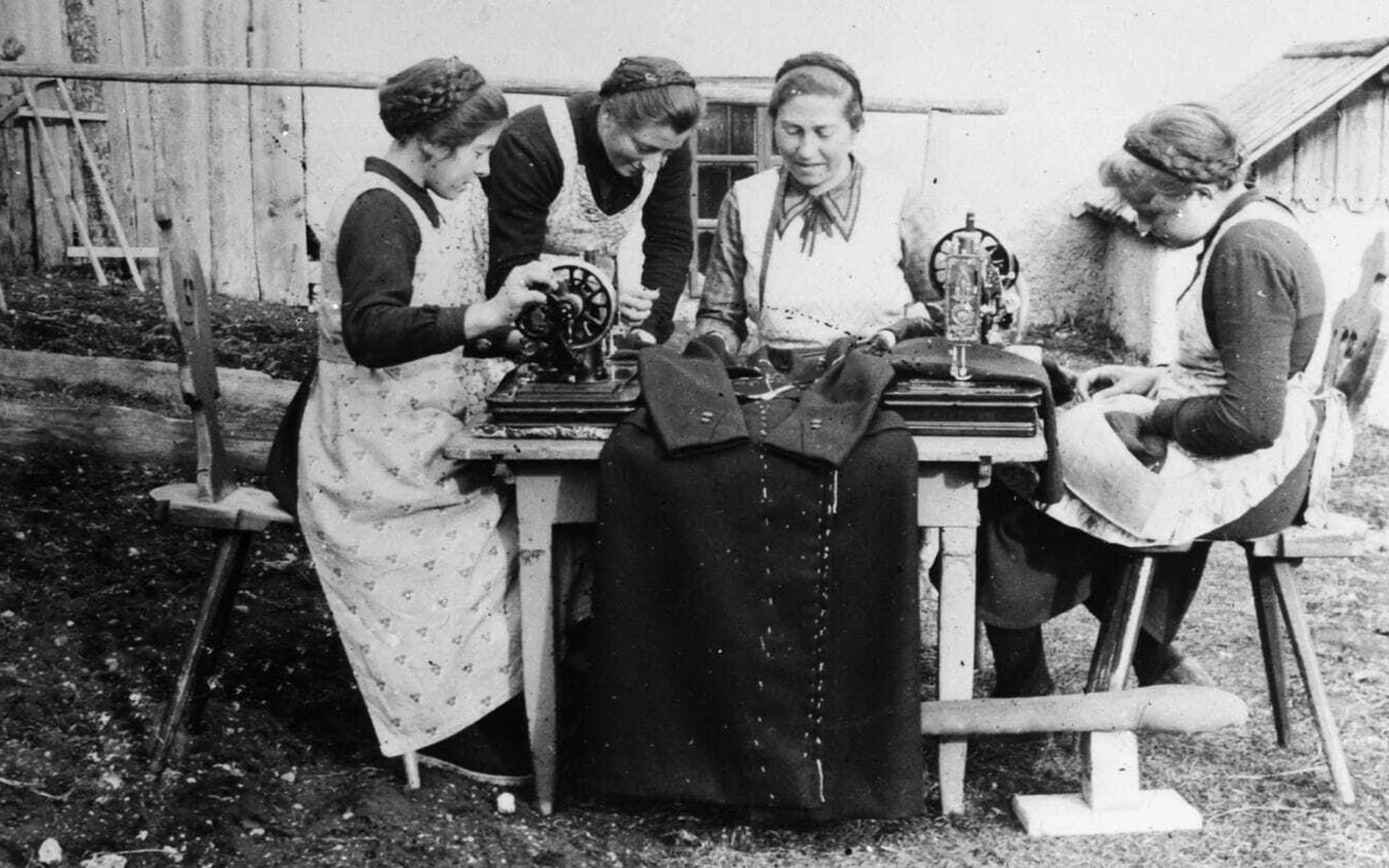
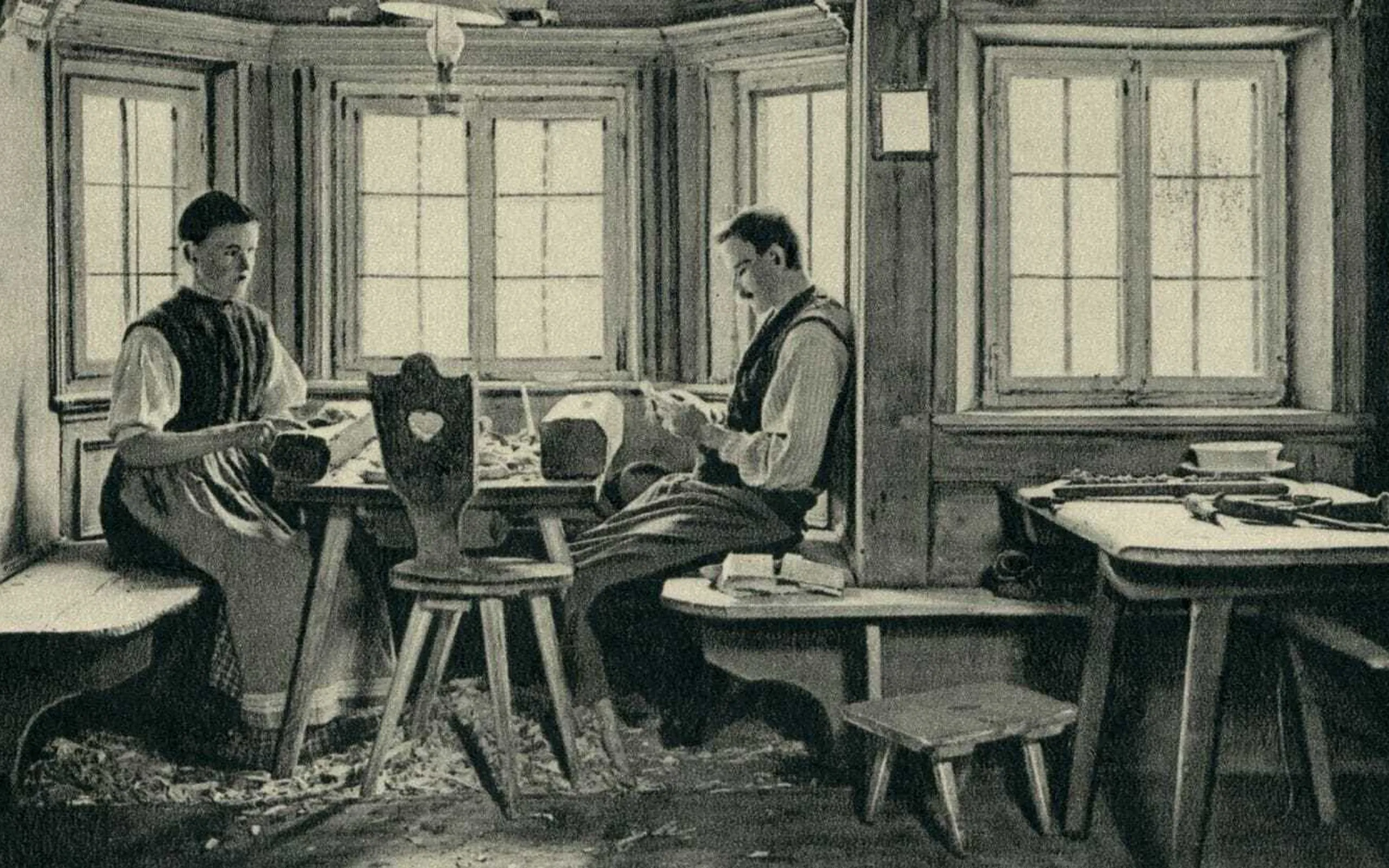
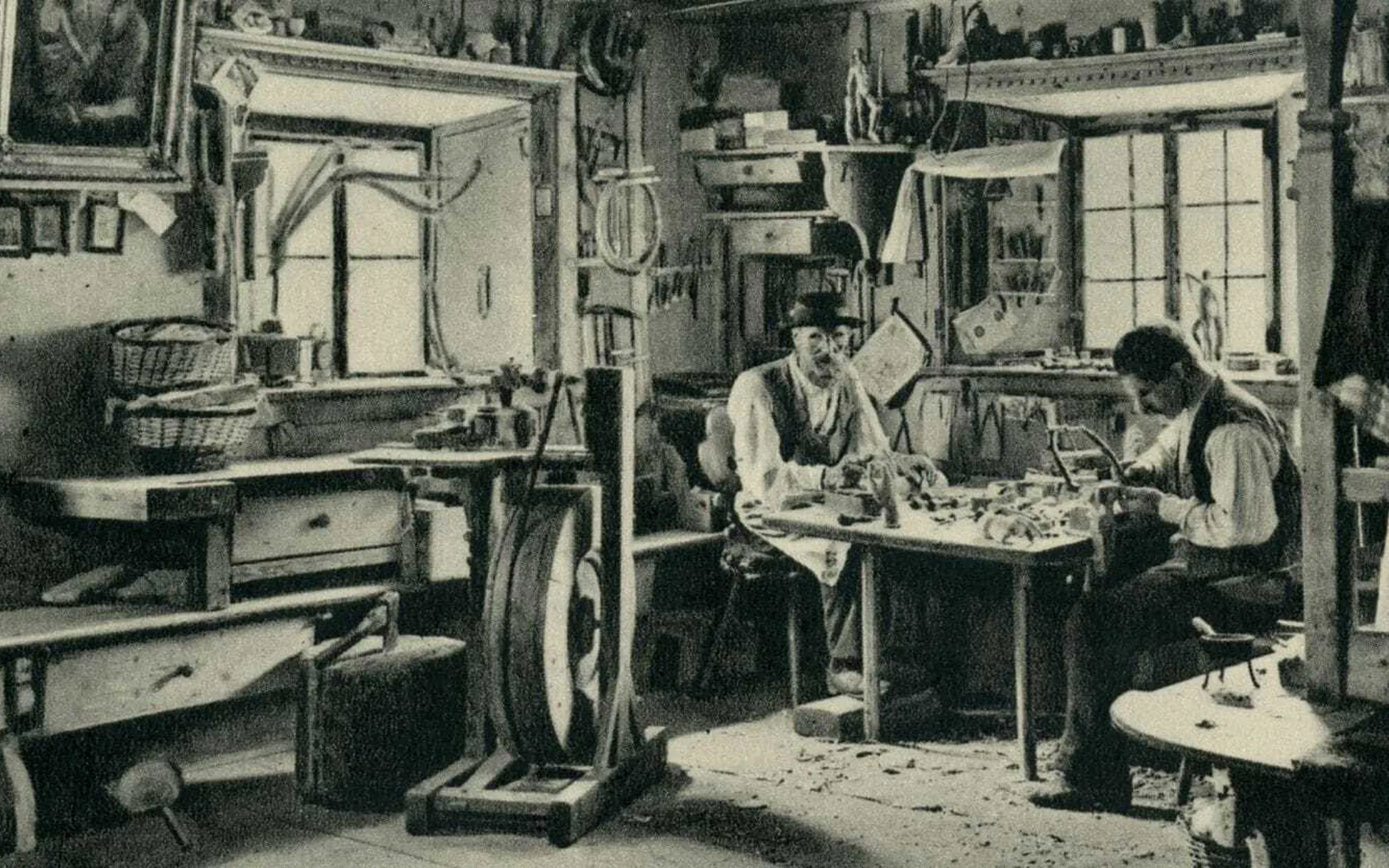
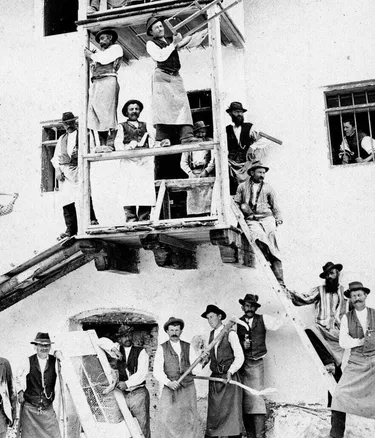
Ladin culture blends aspects of northern and southern European heritage, of the Germanic and Latin worlds, and this is evident in its myths and legends, where ancient Amazon goddesses reminiscent of Greek Artemis and Roman Diana meet Alpine totemic marmot tribes, as well as kings and dwarves from Germanic mythology.
The same can be said about Ladin cuisine, which features dishes and products typical of Middle-Europa, such as hearty meat dishes, Knödel, Gulasch, Speck, Wurst and potatoes, as well as more Mediterranean dishes such as cajincí (a local kind of ravioli) and pasta courses. A typical blend of these origins can be seen in the Ladin dish par exellence: the turtra, a delicious deep-fried doughnut filled with spinach and ricotta.
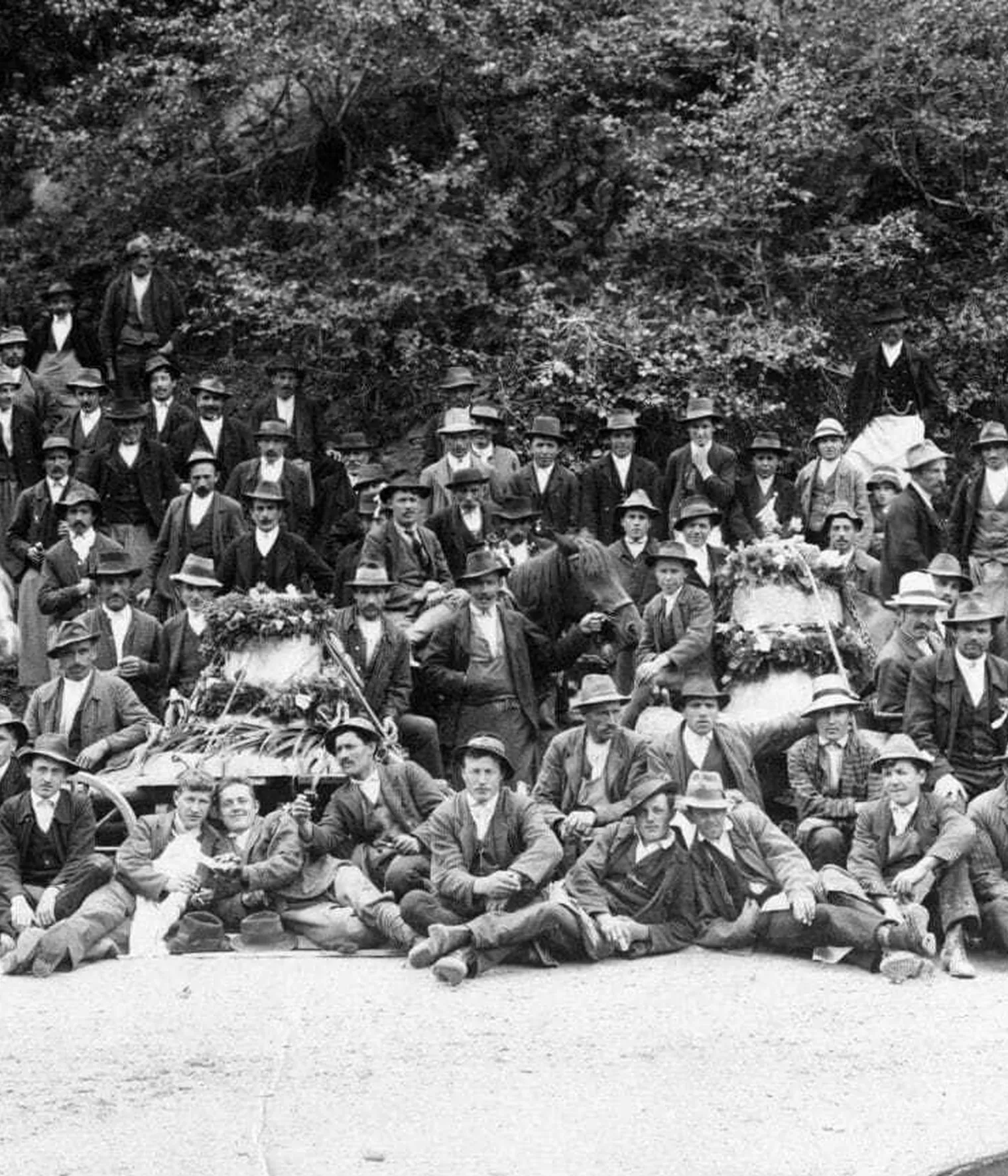
If you want to learn more about the Ladins, their language, their history and myths, we recommend a visit to the Museum Ladin spread across two locations: